
Some hiring wins are covering for a weaker system
Some hiring stories sound impressive for the wrong reason.
The req opened late. The role was still vague. The business wanted speed. The market felt tight. Then someone stepped in, moved fast, filled the seat, and everyone treated it like a big win.
That kind of hiring story gets told all the time.
It also hides the real issue.

A last-minute save sounds productive. A frantic search looks responsive. A recruiter who filled the role under pressure can look heroic. In the moment, it feels like the team pulled something off. It feels like the process worked because the seat got filled and the pressure dropped.
But the more important question is whether the system was strong enough to support a good decision in the first place.
Often, it was not.
The rescue is easier to celebrate than the cause
Weak hiring systems create hero stories because the rescue is easier to celebrate than the conditions that made the rescue necessary.
By the time the search becomes urgent, the real problem usually started earlier. The role may have stayed open too long. Intake may have been soft. The hiring team may not have agreed on what winning looked like. The brief may have been too vague to support disciplined sourcing and evaluation. Feedback may have dragged until the urgency got loud enough to force action.
That is not a talent problem.
That is a weak hiring system producing the exact kind of emergency it keeps pretending was unavoidable.
This is why some hiring teams keep confusing speed with strength. The movement is visible. The underlying weakness is not. People see the filled seat, the busy recruiter, the packed calendar, and the quick turnaround. What they do not always see is the quality the process gave up to get there.

Why weak hiring patterns keep repeating
When a system produces the same kind of emergency more than once, that is no longer a one-off. That is a pattern.
The req will still open late next time.
The role will still be too soft next time.
The team will still wait too long to get clear next time.
The hiring standard will still start slipping once pressure rises.
That is not a strong hiring function. It is a rescue cycle.
The problem with rescue cycles is that they create short-term relief and long-term weakness at the same time. The business feels better because the seat is filled. The recruiter gets praised because the search moved quickly. The process looks productive from the outside. But underneath that visible motion, the same weak conditions stay in place.
Nothing really got stronger.
The intake is still soft.
The role is still underdefined.
The tradeoffs are still fuzzy.
The business is still relying on urgency to do the work that clarity should have done earlier.
That is how weak patterns stay alive.
Why activity can hide a weak decision
A lot of firms step in once the pain is visible and immediately focus on volume. More outreach. More resumes. More interviews. More movement.
That can create relief.
It can also create false confidence.
A busy search is not always a strong search. If the underlying process is still vague, misaligned, or being driven by urgency instead of discipline, then all that movement can still lead to a weak hire.
This is one of the biggest differences between activity and value in recruiting. Activity is easy to count. It is easy to show a full funnel, a list of candidates, or a calendar full of interviews and call that progress. But if the role is still not clear enough and the hiring team is still not aligned enough, then the movement is not protecting the decision.
It is only making the process look alive.
That matters because weak hiring decisions rarely feel weak in the moment. They feel practical. They feel fast. They feel like relief. The real cost shows up later in underperformance, poor fit, turnover, and another search that becomes urgent faster than it should.
What stronger recruiting is supposed to do
This is one of the biggest differences in how we think about recruiting. We do not believe our job is simply to rescue every weak process and call the save a success. We believe strong recruiting should make the hiring system stronger, not just more active.
That means we care about more than motion.
We care about clarity.
We care about role definition.
We care about tradeoffs.
We care about whether the process is actually protecting the hiring decision.
Clients do not need another recruiting partner whose main value is how quickly they can run into a drifting process and make the activity look impressive. They need a partner who can help the business stop creating the conditions that keep requiring that kind of rescue.
That changes how we do the work.
We push for stronger intake because weak intake gets expensive later. We challenge vague briefs because the role has to support the decision, not just the search. We define winning earlier because candidate flow means very little if the team is still fuzzy on what success actually looks like. We ask harder questions when urgency starts changing the bar. And we work to keep the process tied to the business outcome the role is supposed to move.
That is how stronger recruiting protects the decision.
The value is not just in filling the seat
Not just by finding people.
By strengthening the system around the hire.
That does not make the work slower. It makes it more disciplined. It makes the signal sharper. It helps the business stop confusing activity with progress and heroics with hiring strength.
Because once weak systems create hero stories, the organization starts praising the save instead of fixing the process. That is the part we work to interrupt.
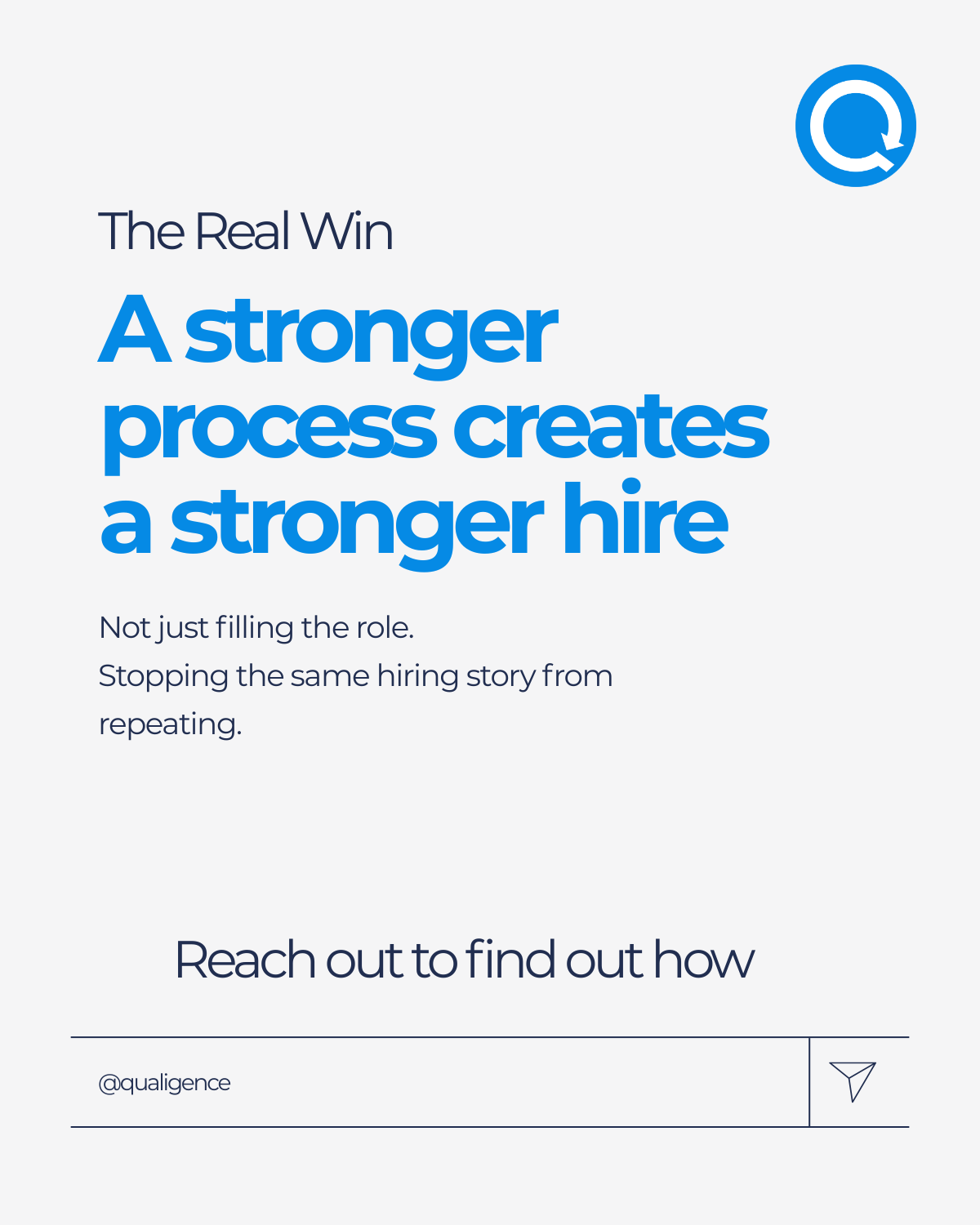
The real value of a recruiting partner is not just in filling the seat under pressure. It is in helping the business build a process that does not keep requiring the same kind of save.
That is what stronger recruiting should do.
It should leave the business with more than a filled role. It should leave the business with a clearer process, a sharper definition of winning, and a stronger standard for the next decision. That is how you stop turning every difficult search into another story about speed and survival.
And that is how you start building a hiring system that does not need to be rescued so often in the first place.